

How Long Do Dental Implant Procedures Really Take? The Answer Will Shock You
For millions of individuals suffering from tooth loss, modern dentistry offers solutions that far exceed the comfort, stability, and aesthetic appeal of traditional removable dentures. Among these options, dental implants have emerged as the gold standard for long-term tooth replacement. However, when prospective patients begin researching the journey toward a restored smile, they are often astonished by the total duration of the process. While many assume that getting a new tooth is a matter of a few brief office visits, the complete timeline actually spans several months to over a year. Understanding the underlying biology, surgical protocols, and restorative phases reveals why dental implant procedures require a deliberate, step-by-step commitment.
Understanding the Basics of Dental Implants
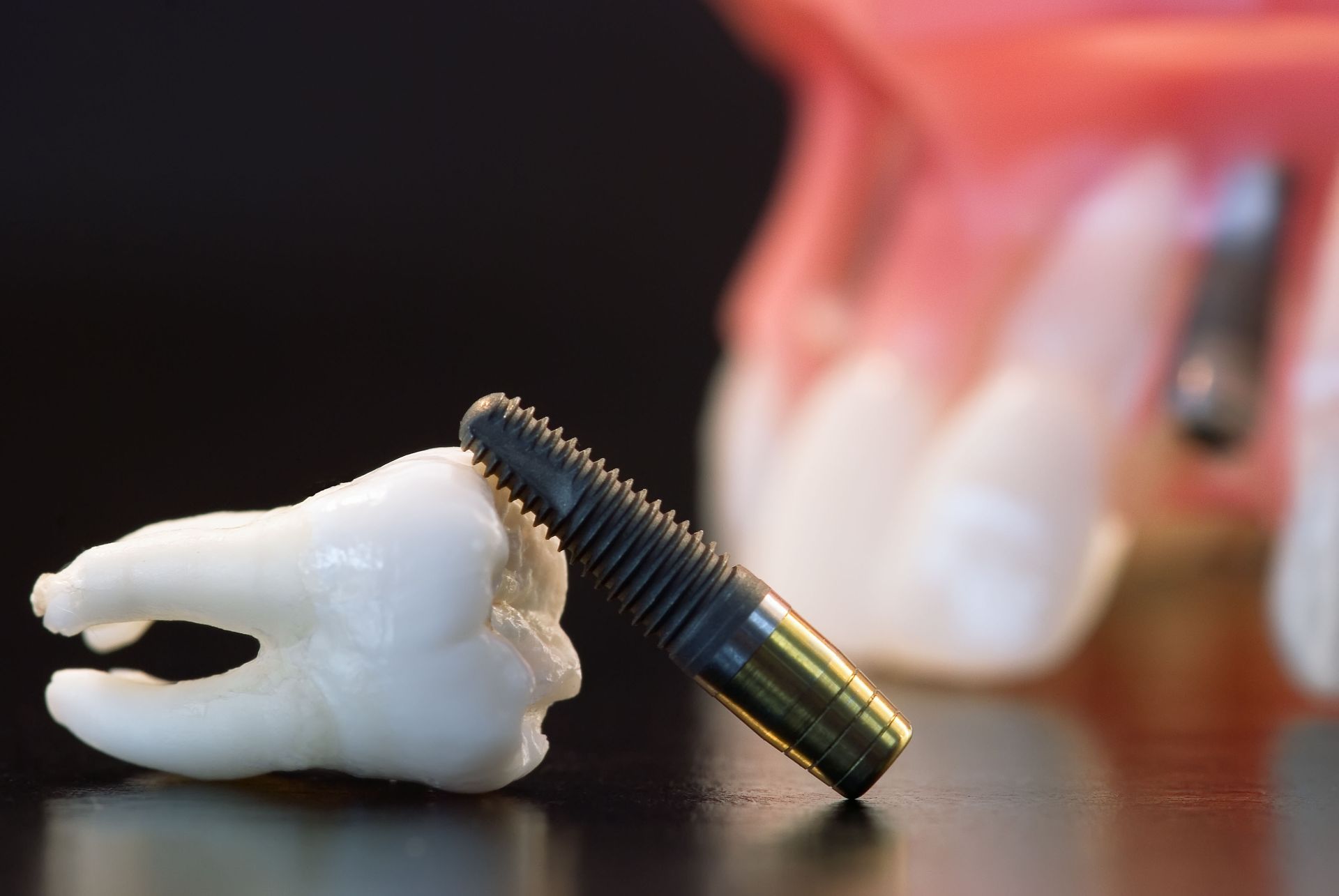
A dental implant is an artificial root structure, typically made of biocompatible titanium or high-strength zirconia, that is surgically inserted into the jawbone to support a replacement tooth. Unlike traditional bridges that rely on adjacent teeth for support, or full dentures that rest loosely on top of the gums, an implant integrates directly into the jawbone structure. This mimics the biomechanical function of natural root systems, stimulating the surrounding bone tissue and preventing the bone loss that inevitably follows tooth extraction.
The significance of these advanced restorative techniques cannot be overstated given the staggering prevalence of tooth loss across the country. According to the American College of Prosthodontists (cited in CDC research), 120 million Americans are missing at least one tooth and more than 36 million have lost all teeth. Ideal candidates for restorative surgery must possess adequate bone density, healthy gum tissue, and a commitment to meticulous oral hygiene. Dentists carefully evaluate every patient to determine whether standard endosteal implants, which are placed directly into the jaw, or alternative designs are best suited for their unique anatomical profile.
The Initial Consultation and Evaluation Phase
The path toward a restored smile begins with a comprehensive consultation and diagnostic evaluation. During this initial visit, a dental professional conducts a detailed examination utilizing advanced digital X-rays and three-dimensional cone beam computed tomography scans. These diagnostic images allow the clinician to assess the exact height, width, and density of the jawbone while mapping out critical anatomical structures like nerves and sinus cavities.
Based on these diagnostic findings, the dentist formulates a fully customized treatment plan that outlines the required surgical steps, material choices, and estimated timeline. Medical history is thoroughly reviewed to identify potential risk factors, such as uncontrolled diabetes or autoimmune conditions, which could impair immune response and surgical healing. This initial phase also provides an open forum for addressing patient concerns, clarifying financial options, and establishing realistic expectations regarding how long the overall transformation will take.
The Tooth Extraction Process and Site Preparation
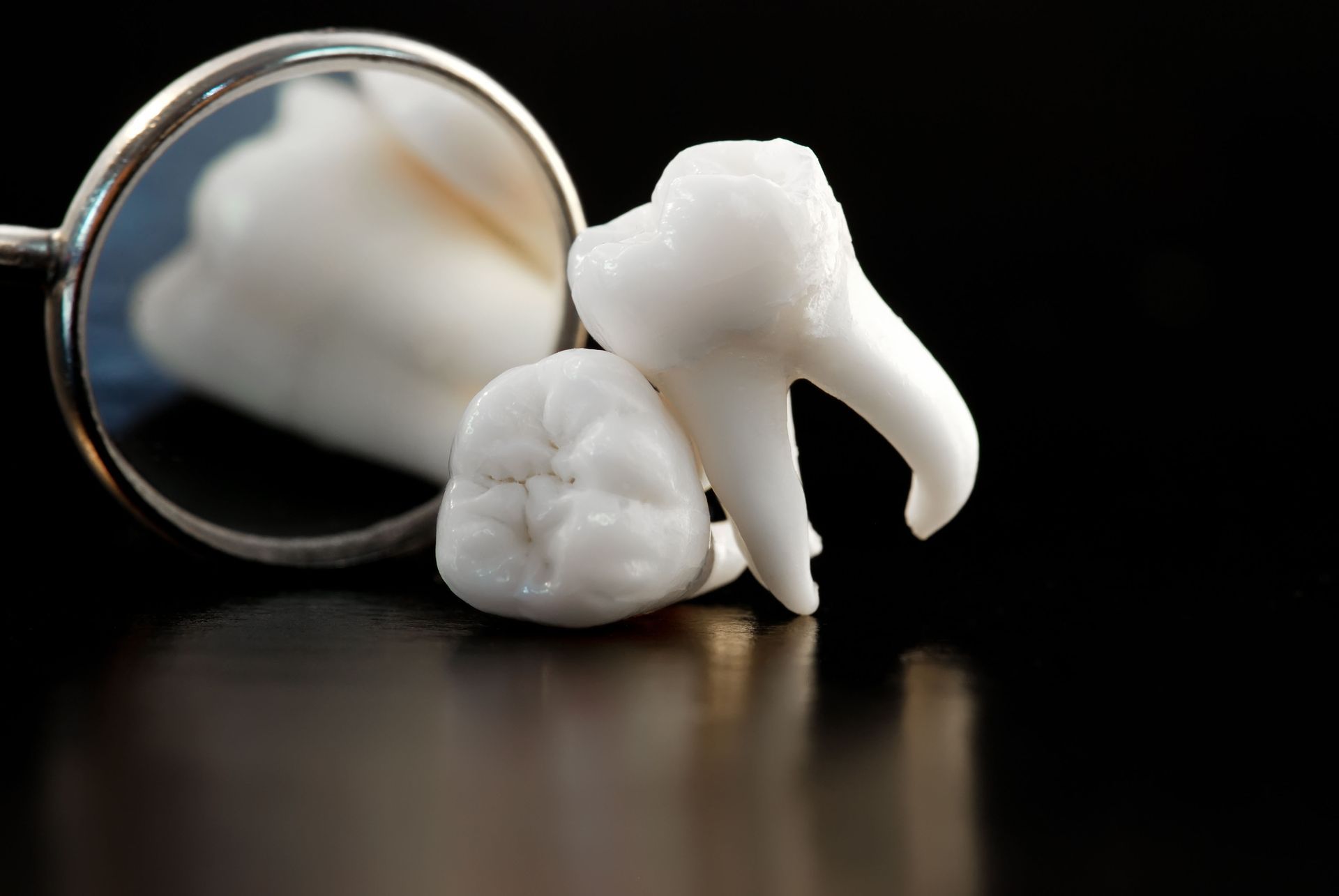
For many patients, the target site requires site preparation before an implant can be safely positioned. If a damaged, severely decayed, or structurally compromised tooth remains in the socket, it must be carefully extracted. Surgical extractions are performed under local anesthesia or intravenous sedation, with clinicians taking great care to preserve as much surrounding alveolar bone as possible during the tooth removal process.
Following an extraction, the socket typically requires a healing period ranging from two to four months to ensure that the surrounding tissue resolves any localized infection. In cases where the jawbone has already thinned due to long-term tooth loss, a bone grafting procedure becomes necessary to build adequate structural support. While immediate placement after extraction is sometimes possible when pristine bone conditions exist, most clinical scenarios require a dedicated healing period before moving forward with complex dental implant procedures.
The Surgical Placement Procedure
Once the jawbone is fully prepared, the patient returns for the primary surgical placement. The surgeon creates a small incision in the gum tissue to expose the underlying bone, uses precise surgical drills to prepare a narrow channel, and carefully threads the implant fixture directly into the jawbone. The surgical site is then closed with sutures, protecting the underlying fixture while the surrounding soft tissue heals over the next week to ten days.
Patient comfort is carefully managed throughout the surgical placement using local numbing agents, oral sedatives, or intravenous anesthesia depending on individual anxiety levels and case complexity. Following surgery, mild swelling, tenderness, and localized bruising are normal and can usually be managed with over-the-counter or prescribed pain medications. Adhering to post-operative aftercare instructions—such as consuming soft foods, applying ice packs, and avoiding strenuous physical activity—is crucial for minimizing early surgical risks.
Osseointegration: The Crucial Waiting Period
The longest and most surprising phase of the entire journey is a biological process called osseointegration. Derived from the Greek and Latin words for "bone" and "to make whole," osseointegration describes the direct structural and functional connection that forms between living bone tissue and the surface of a load-bearing artificial implant. Over time, living bone cells attach themselves directly to the titanium surface, locking the implant securely into place.
This fundamental biological integration cannot be rushed, typically requiring anywhere from three to six months to achieve complete stability. Factors such as lower jaw versus upper jaw placement, overall bone density, systemic health, and tobacco use directly influence how rapidly osseointegration occurs. Regular follow-up appointments allow the clinician to monitor stability using digital radiography, ensuring that the anchor is fully integrated before subjecting it to the heavy forces of daily chewing.
The Final Restoration: Completing the Smile
Once osseointegration is confirmed, the final restorative phase begins with a minor procedure to attach an abutment. The surgeon gently opens the overlying gum tissue to expose the top of the implant and attaches a small connector post called an abutment. The surrounding gum tissue is allowed to heal around this abutment for approximately two weeks, creating a natural-looking collar that will cushion the base of the new crown.
Next, detailed digital impressions or physical molds of the mouth are taken and sent to a specialized dental laboratory. Master technicians custom-craft a permanent crown from high-strength porcelain or zirconia, carefully matching the color, shape, and surface translucent qualities of the patient's surrounding natural teeth. Once the finished restoration arrives, the dentist meticulously tests the fit, adjusts the bite alignment, and permanently secures the crown onto the abutment, completing the physical transformation.
Long-Term Care and Future Maintenance
The completion of the final restoration marks the beginning of a lifelong maintenance routine designed to protect your investment. Although porcelain crowns and titanium fixtures are entirely immune to dental decay, the surrounding gum tissue and bone remain susceptible to inflammation and bacterial infection. Conditions like peri-implantitis—a localized inflammatory disease similar to periodontitis—can destroy the supporting bone structure and ultimately cause fixture failure if oral hygiene is neglected.
Maintaining optimal long-term outcomes requires a rigorous home care routine paired with routine professional maintenance. Patients must brush twice daily using low-abrasive toothpastes, clean between teeth using specialized interdental brushes or water flossers, and attend professional dental cleanings at least twice a year. Eliminating tobacco use and managing systemic health conditions further safeguard the longevity of the surgical result, ensuring that your restored smile remains stable, fully functional, and visually appealing for decades to come.
While learning that dental implant procedures take several months from start to finish may initially come as a shock, this extended timeline is the precise reason why the treatment achieves such an extraordinary long-term success rate. Every phase of the process—from diagnostic imaging and extraction site healing to deep osseointegration and final crown fitting—is engineered to work in harmony with your body's natural biological timelines. Rushing through these critical healing intervals significantly increases the risk of mechanical instability or early failure. By taking a patient, methodical approach to care, you give your body the time it needs to build a solid structural foundation. When you are ready to explore your options for a stronger, healthier smile, consult with the experienced care team at All Heart Dental to receive a personalized evaluation and custom treatment roadmap.


Share On: