

Learn How to Properly Care for Your Dental Implant
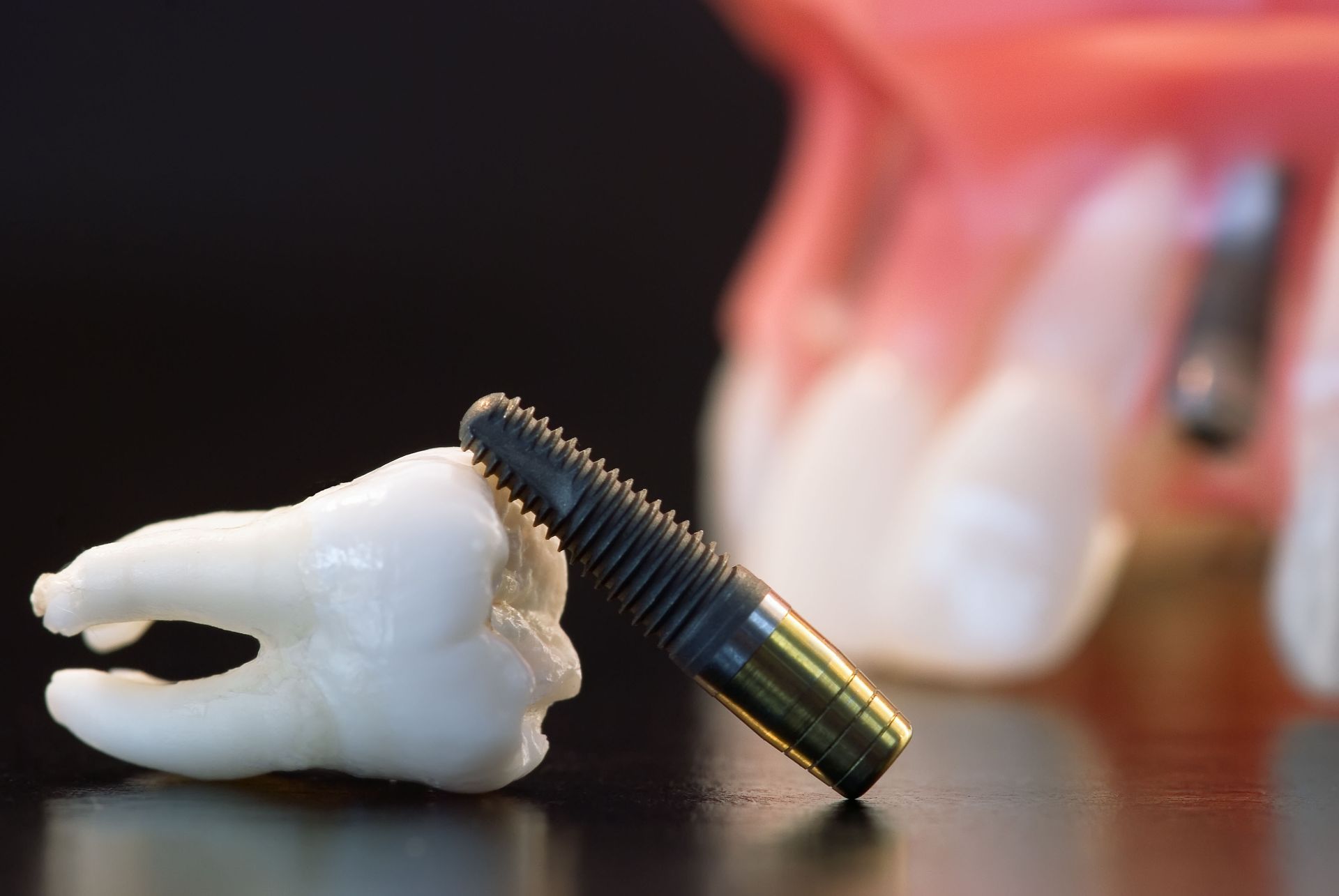
A dental implant is one of the most reliable and long-lasting solutions for replacing missing teeth. Designed to function like a natural tooth, it restores both appearance and functionality, allowing you to eat, speak, and smile with confidence. However, just like natural teeth, implants require proper care to maintain their strength and longevity. Without consistent maintenance, even the most advanced dental restorations can experience complications over time.
Understanding how to care for your dental implant can help you avoid unnecessary issues and protect your investment. From daily hygiene habits to professional dental visits, each step plays a role in keeping your implant in excellent condition. According to the Cleveland Clinic, most crowns and bridges last approximately 15 years, which highlights the importance of ongoing care to maximize durability. In this article, we will walk through the essential steps to properly care for your dental implant and keep your smile healthy for years to come.
Follow a Consistent Daily Oral Hygiene Routine
Maintaining a strong daily oral hygiene routine is the foundation of dental implant care. Even though an implant itself cannot develop cavities, the surrounding gums and bone structure are still vulnerable to infection and inflammation. Brushing at least twice a day with a soft-bristled toothbrush helps remove plaque and bacteria that can accumulate around the implant.
Flossing is equally important, especially in areas that are harder to reach. Specialized floss or interdental brushes can be particularly effective for cleaning around the implant post and crown. Using an antibacterial mouthwash can further reduce bacteria and support gum health.
A consistent routine helps protect not only your dental implant but also your overall oral health. Taking a few extra minutes each day can make a significant difference in preserving your smile.
Choose the Right Tools for Implant Care
Not all dental care tools are created equal, especially when it comes to maintaining an implant. Selecting the right toothbrush, floss, and other cleaning aids can help you clean effectively without causing damage.
Soft-bristled toothbrushes are recommended because they are gentle on both the implant surface and the surrounding gum tissue. Electric toothbrushes can also be beneficial, as they often provide more consistent cleaning with less effort. Interdental brushes are useful for reaching tight spaces and removing debris that standard floss may miss.
Avoid using overly abrasive toothpaste or hard-bristled brushes, as these can wear down the crown or irritate the gums. Consulting your dentist about the best tools for your specific needs can help you create an effective care routine.
Schedule Regular Dental Checkups and Cleanings
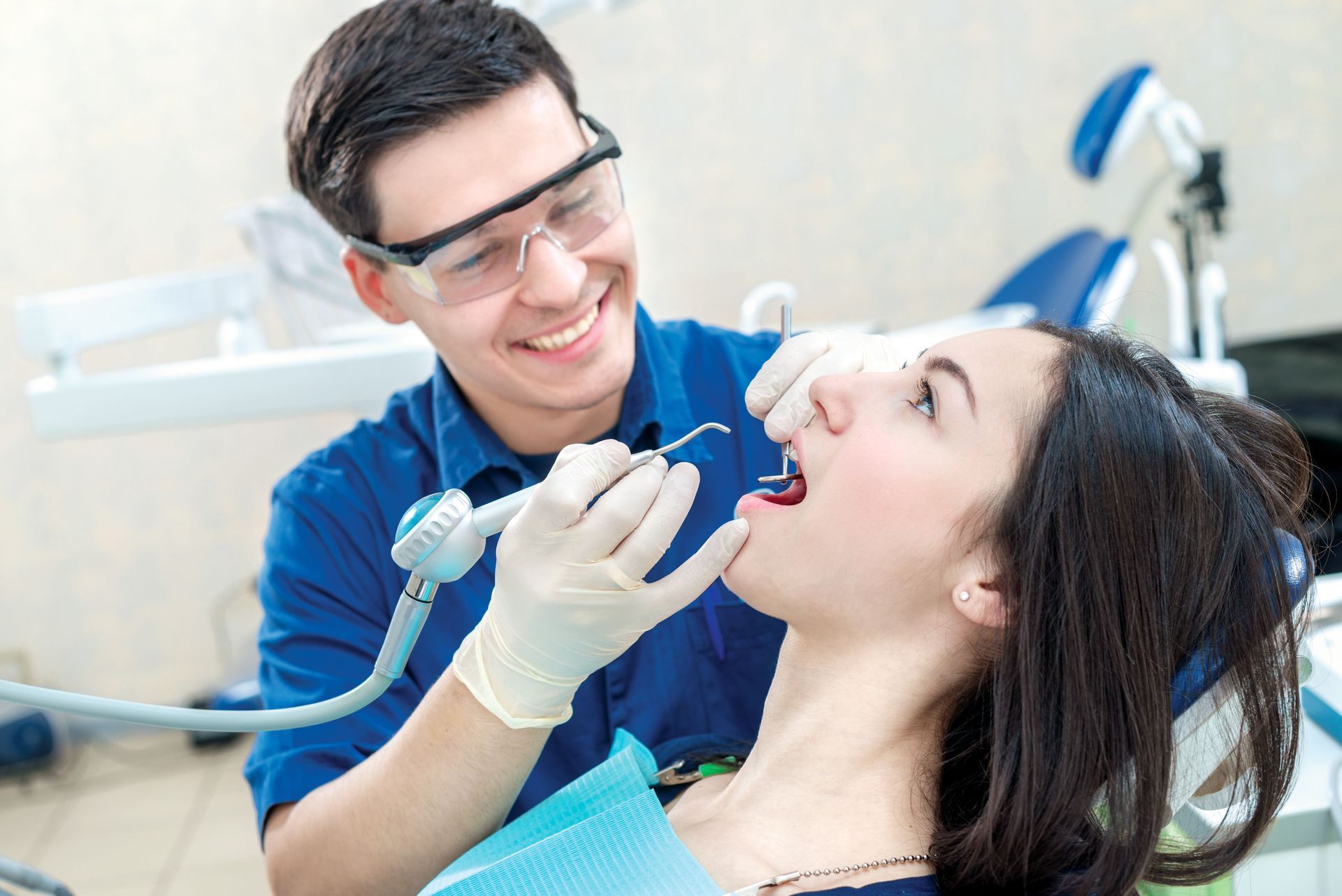
Routine dental visits play a key role in keeping your implant in excellent condition. Professional cleanings remove plaque and tartar that cannot be eliminated through brushing and flossing alone. These visits also allow your dentist to monitor the health of your implant and surrounding tissues.
During a checkup, your dentist will assess the stability of the implant, check for signs of gum inflammation, and confirm that the crown remains secure. Early detection of potential issues can help prevent more serious complications down the line.
Most patients benefit from visiting the dentist every six months, although some may require more frequent appointments based on their oral health. Staying consistent with these visits helps protect the long-term success of your dental implant.
Protect Your Implant From Damage
While dental implants are durable, they are not indestructible. Taking steps to protect your implant from physical damage is essential for maintaining its longevity. Avoid chewing on hard objects such as ice, pens, or hard candies, as these can crack or chip the crown.
If you participate in contact sports, wearing a mouthguard can help shield your teeth and implants from injury. Similarly, if you grind your teeth at night, your dentist may recommend a nightguard to prevent excessive pressure on the implant.
Being mindful of these habits can help preserve the integrity of your dental implant and prevent unnecessary repairs or replacements.
Maintain Healthy Gums Around the Implant
Healthy gums are critical for supporting a dental implant. The gum tissue forms a protective barrier around the implant, helping to keep bacteria from reaching the underlying bone. When gums become inflamed or infected, it can lead to a condition known as peri-implantitis, which can compromise the stability of the implant.
Signs of gum issues may include redness, swelling, bleeding, or discomfort around the implant site. Addressing these symptoms early can help prevent more serious problems.
Good oral hygiene, combined with regular dental visits, is the best way to maintain healthy gums. Your dentist may also recommend specific treatments or products to support gum health if needed.
Avoid Harmful Habits That Affect Implant Health
Certain habits can negatively impact the success of your implant. Smoking, for example, can slow healing and increase the risk of implant failure by reducing blood flow to the gums. Limiting or quitting smoking can significantly improve your oral health outcomes.
Excessive alcohol consumption can also interfere with healing and may contribute to gum inflammation. Additionally, poor dietary choices that include high levels of sugar can promote bacterial growth and increase the risk of gum disease.
By making healthier lifestyle choices, you can support the long-term success of your dental implant and maintain a strong, healthy smile.
Eat a Balanced Diet for Long-Term Support
Nutrition plays an important role in maintaining the health of your implant and surrounding tissues. A balanced diet rich in vitamins and minerals supports gum health and bone strength, both of which are essential for implant stability.
Foods high in calcium, such as dairy products, leafy greens, and fortified foods, help maintain strong bones. Vitamin C supports gum health and healing, while protein aids in tissue repair. Staying hydrated also helps maintain saliva production, which naturally protects against bacteria.
Avoiding excessively hard or sticky foods can reduce the risk of damaging your implant. By making thoughtful dietary choices, you can help your dental implant remain secure and functional.
Recognize Early Signs of Potential Issues
Being aware of changes in your oral health can help you address potential problems before they become more serious. Common warning signs related to implants include persistent pain, swelling, loosening of the crown, or difficulty chewing.
If you notice any of these symptoms, it is important to contact your dentist promptly. Early intervention can often resolve minor issues and prevent more extensive treatment.
Regular self-checks, combined with professional evaluations, can help you stay proactive in maintaining your dental implant.
Understand the Long-Term Commitment of Implant Care
Caring for an implant is a long-term commitment that requires consistency and attention. While implants are designed to last for many years, their longevity depends largely on how well they are maintained.
By following proper hygiene practices, attending regular dental visits, and making healthy lifestyle choices, you can maximize the lifespan of your implant. Many patients enjoy decades of reliable function when they prioritize consistent care.
Understanding this commitment helps set realistic expectations and encourages habits that support long-term success.
A dental implant offers a durable and natural-looking solution for restoring your smile, but its success depends on proper care and maintenance. From daily hygiene routines to regular dental checkups and healthy lifestyle choices, each step plays a role in protecting your investment.
By staying proactive and attentive, you can keep your implant in excellent condition and enjoy the benefits it provides for years to come. If you have questions about caring for your dental implant or are ready to schedule your next appointment, contact All Heart Dental today to take the next step toward a healthier smile.

Share On: